Your social media posts might seem harmless, but oversharing can expose you to serious risks—from identity theft to workplace consequences. These 10 real-life dangers highlight why privacy matters more than ever in the digital age.
Identity Theft Through Personal Location Data
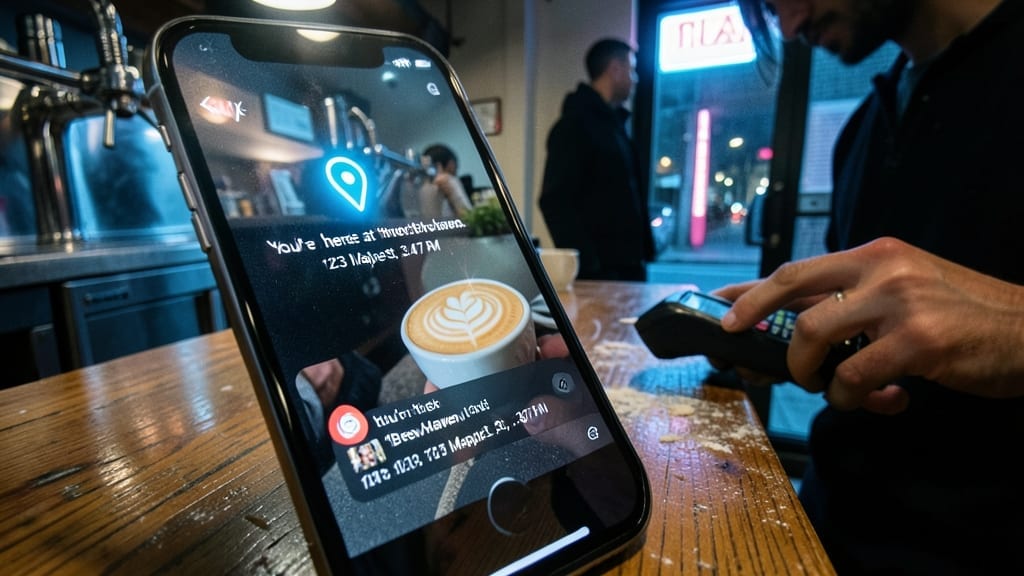
Ever hit “check-in” at a coffee shop or tagged a photo with your exact location—only to wonder if you just handed criminals a roadmap to your life? Real-time geotags and social media check-ins are goldmines for identity thieves, who use your location history to steal credit cards or even break into homes when they know you’re away.
Criminals leverage publicly shared geodata to track patterns—like your morning coffee route or weekend getaways—then exploit gaps in security. A single unsecured Instagram Story with a live location pin can reveal when your home is empty, while Facebook’s “Here” feature broadcasts your whereabouts in real time. Even “private” posts can be scraped by third-party apps, turning your digital footprint into a targeted attack vector.
This risk isn’t just for tech-savvy users—smart home devices (like Ring cameras) and fitness trackers often sync location data to apps that may not encrypt it properly. If you’re active on social media, assume every check-in is visible to someone who shouldn’t see it. ⚡
Job Termination Due to Oversharing Workplace Details

That LinkedIn post about your company’s unannounced AI project might seem like harmless bragging—but it could trigger an HR investigation or even termination. In regulated fields like healthcare or finance, oversharing proprietary details violates NDAs, compliance rules, and industry standards (think HIPAA or GDPR violations).
One wrong post can expose your employer to legal risks, damage client trust, or reveal competitive secrets. Even seemingly innocent updates—like office gossip or internal process complaints—can be misconstrued as insider threats. Companies monitor employee social media activity, and a single misstep could land you on the wrong side of corporate policies or legal consequences.
If you work in tech, finance, or healthcare, think twice before posting about workplace details. A simple privacy setting tweak—like restricting posts to only connections—can prevent career-ending mistakes. 💻
Online Harassment From Oversharing Personal Life
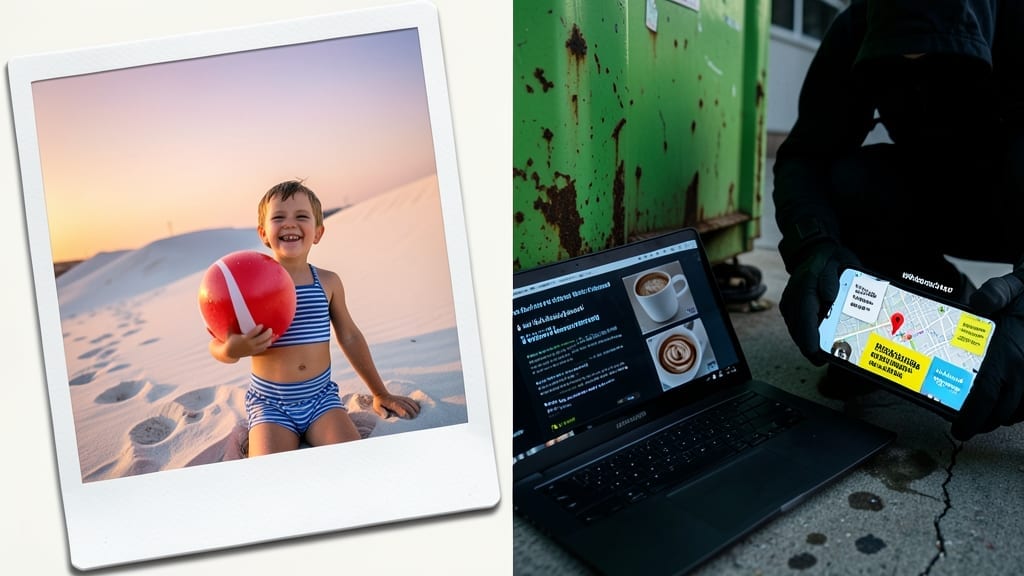
Think twice before posting that heartfelt story about your family vacation or your new hobby—what seems like harmless sharing can turn into a nightmare for stalkers and doxxers. A single detailed post about your daily routine, kids’ school names, or even your favorite coffee spot can give predators the exact information they need to track, manipulate, or threaten you.
Platforms like Facebook, Instagram, and TikTok make it shockingly easy for strangers to piece together your life. A doxxing attack (publicly exposing your personal details) can start with something as innocent as a post about your dog’s name—a common security question used to reset passwords. Even seemingly harmless location tags or birthday mentions can be weaponized to craft convincing scams or harassment campaigns.
This risk isn’t just for celebrities—anyone who shares too much is vulnerable. If you’re a parent, a professional, or simply someone who values privacy, audit your posts before they become a roadmap for harm. 💻
Blackmail Risks From Compromising Photos
One seemingly harmless photo could become your digital Achilles’ heel. A single image involving minors, private moments, or even unauthorized activities can resurface years later—often in the wrong hands. Unlike text posts that can be deleted, photos live forever in cloud backups, screenshots, and third-party servers.
Predators and competitors exploit these images for blackmail, extortion, or reputational damage, especially when metadata (like timestamps or GPS coordinates) is still attached. Even “private” stories on platforms like Snapchat or Instagram can be saved and shared. Tools like reverse image searches make it trivial for anyone to track down original sources, turning a casual post into a permanent liability.
This risk isn’t just for celebrities—journalists, executives, and everyday users have faced career-ending scandals from old photos resurfacing. Always review photo settings, disable geotags, and consider self-destructing apps for sensitive content. ⚡
Insurance Fraud Targeting Oversharers

Ever posted a vacation photo with the perfect sunset and a “beach vibes only” caption? That post might just be an open invitation to burglars. Criminals scour social media for clues like empty homes, new high-end purchases, or renovation timelines—all red flags for targeted theft.
Insurance fraud statistics show a 30% spike in home burglaries during peak vacation seasons, with thieves using your geotagged posts or public check-ins to time their crimes. Even seemingly innocent updates—like a new smart home system or luxury watch—can signal valuable targets. Fraudsters also exploit public property records cross-referenced with social media to pinpoint high-value homes.
Homeowners and renters with valuable assets should delay posting until returning, use private accounts, and avoid geotags. A simple 10-minute privacy audit of old posts could save you from a costly break-in. 💻
Legal Consequences From Oversharing Sensitive Info
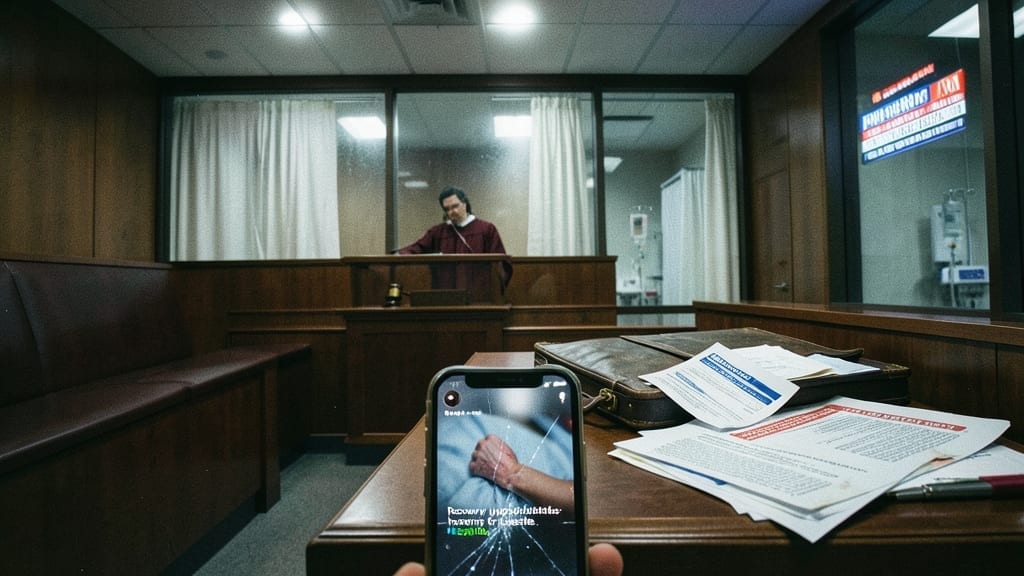
One post about your ongoing medical treatment or legal troubles could land you in court—or worse. Laws like HIPAA and GDPR explicitly prohibit sharing sensitive health data, while oversharing legal issues may violate privileged communications or expose you to defamation lawsuits from third parties.
Even seemingly harmless details—like a political affiliation or religious beliefs—can trigger discrimination claims or workplace disputes. Courts have ruled against employees fired after posting controversial opinions, and insurers may deny claims if they find inconsistencies between your posts and your statements.
If you must share sensitive topics, use private messaging or consult a lawyer first. Platforms like LinkedIn and Facebook offer audience controls, but nothing beats legal counsel for high-stakes content. 💪
Scams Exploiting Overshared Financial Details

Ever casually mentioned your $80K salary or a new crypto investment online? Scammers don’t just lurk in DMs—they harvest this info from public posts to craft hyper-targeted scams. A single post about your “luxury vacation fund” could trigger a wave of fake investment pitches or phishing links mimicking financial apps.
These scams often disguise themselves as high-yield opportunities or “exclusive” deals, using language that matches your overshared interests. For example, posting about your side hustle profits might lead to a DM claiming you’ve been “pre-approved” for a loan—only for the link to steal your login credentials. Even seemingly innocent updates (like “finally paid off my student loans!”) can trigger scams offering “debt consolidation” with hidden fees.
Freelancers, remote workers, and small business owners are especially vulnerable, as scammers use financial posts to impersonate clients or vendors. Always ask: Could this post help a scammer trick me? If the answer’s yes, hit “delete” before sharing. 💡
Relationship Damage From Oversharing Arguments
That heated argument with your partner might feel cathartic in the moment, but posting it publicly can turn a private disagreement into a permanent digital record—one that friends, family, or even future employers may stumble upon years later.
Platforms like Facebook, Instagram, or Twitter don’t always delete posts quickly, and screenshots or reposts can spread faster than you’d expect. Even if you delete the original, the damage—lost trust, awkward confrontations, or even legal repercussions—can linger. Studies show that 63% of people regret oversharing online, and conflicts are among the top triggers for irreversible fallout.
If you’re in a relationship, consider private messaging or offline conversations instead. For those in high-stakes professions (like law or healthcare), even casual posts can be scrutinized. Think twice before hitting “post”—once it’s online, it’s out of your control. 💡
Algorithmic Discrimination From Oversharing Biases
Ever notice how ads suddenly follow you after posting about a controversial topic? That’s algorithmic discrimination in action—social media platforms and advertisers use your shared biases to profile, exclude, or even restrict you.
When you openly share political views, religious beliefs, or personal opinions, algorithms flag your profile for targeted ad campaigns, job application filtering, or even shadowbanning (limiting your visibility without notification). Platforms like Facebook and Twitter use machine learning models trained on billions of posts to predict and reinforce biases, often reinforcing echo chambers or excluding you from opportunities.
Freelancers, job seekers, and activists are most vulnerable—your overshared stance could trigger automated HR filters or ad-blocking systems. Always ask: Does this post define me, or could it define my future? 💡
Mental Health Risks From Oversharing Struggles
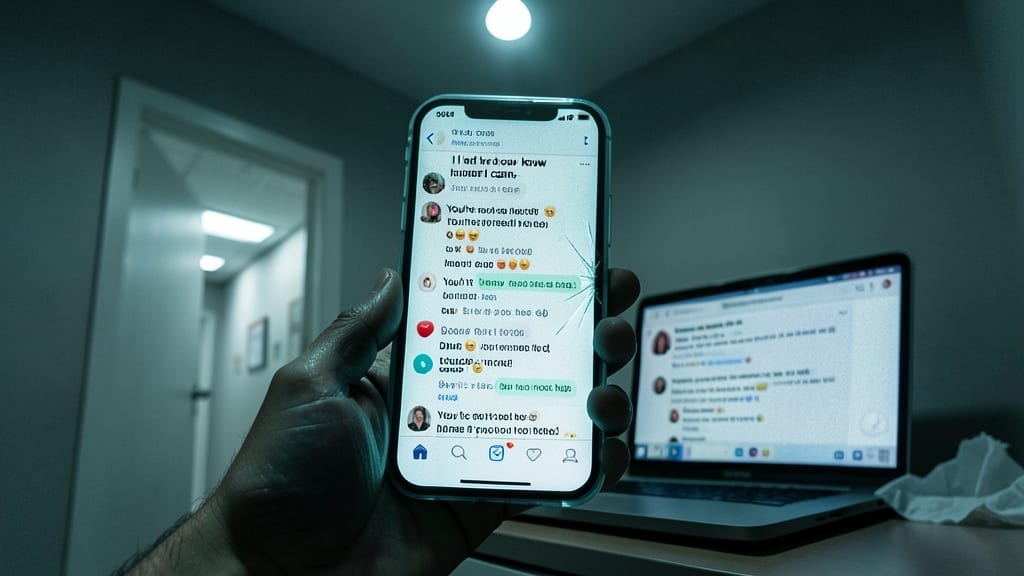
When you’re struggling, sharing your feelings online might feel like a lifeline—but it can also unintentionally put others at risk. Studies show that public posts about depression or self-harm can trigger copycat behavior, especially among vulnerable teens, while also attracting unwanted advice from strangers who lack professional training.
Platforms like Instagram and TikTok now use AI-powered content moderation to flag harmful posts, but the damage is often done before intervention. Even well-intentioned support groups can become echo chambers for misinformation, where unqualified users offer dangerous “solutions” like extreme dieting or risky behaviors tied to mental health trends.
If you’re sharing for support, consider private messaging or vetted communities like 7 Cups or Crisis Text Line—where trained listeners provide real help. Your safety and others’ depends on it. ✨

What truly drives me is witnessing that lightbulb moment when someone realizes they’re not “too old” or “too dumb” for technology.
- PowerPoint: Fix “Couldn’t Write to Microsoft Word” Errors Permanently - October 14, 2026
- How to Edit a SharePoint Site: Customize Layouts Without Coding in Minutes - October 14, 2026
- Add Family Members to Xbox Game Pass: Seamless License Sharing for Your Household - October 14, 2026